Description
Event-driven investment is a strategy that seeks to capitalize on mispricings and inefficiencies caused by corporate or macroeconomic events—such as mergers, bankruptcies, earnings reports, or regulatory changes. By analyzing the potential impact of specific events on asset prices, investors can take targeted positions to profit from volatility or delayed market reactions. This guide breaks down how event-driven investing works, key types of events to monitor, strategy variations, and the associated risks and tools involved.
Introduction
Markets move for many reasons—but some of the biggest price movements are triggered not by gradual trends, but by specific events.
A surprise earnings beat. A corporate merger. A new law. A CEO scandal. These moments create uncertainty, which creates volatility, which creates opportunity.
Event-driven investing is the art and science of identifying those opportunities early, understanding their potential market impact, and structuring trades to profit from them. It’s a strategy used by hedge funds, institutional investors, and increasingly by retail traders looking to take advantage of short-term price dislocations.
But it’s not as simple as chasing headlines. This strategy requires deep analysis, careful risk management, and the ability to act quickly when the window opens—and often slams shut.
What Is Event-Driven Investing?
Event-driven investing is an active strategy that involves taking positions in securities impacted by anticipated or ongoing events. The goal is to exploit temporary inefficiencies or volatility caused by:
- Information asymmetry
- Market overreaction or underreaction
- Delayed price discovery
- Complex outcomes with binary risks
These events can be corporate, macroeconomic, legal, or even political in nature.
Common Types of Events in Event-Driven Investing
1. Mergers and Acquisitions (M&A)
Strategy: Merger arbitrage
Investors buy shares in a company being acquired and may short the acquiring company’s stock, expecting the deal to close at a specific premium.
Key factors:
- Regulatory approval
- Shareholder votes
- Financing and timing
- Deal break risk
Example:
Company A announces it will acquire Company B for $50/share. Company B trades at $47—investors buy the discount, expecting to profit $3 per share if the deal closes.
2. Earnings Surprises
Strategy: Pre-earnings positioning or post-earnings drift
Investors try to predict whether a company will beat or miss analyst expectations, or capitalize on continued movement after an earnings announcement.
Key factors:
- Consensus EPS vs whisper numbers
- Guidance revisions
- Historical beat/miss patterns
- Implied volatility (for options traders)
3. Spin-offs and Restructurings
Strategy: Long parent or spin-off depending on market mispricing
These events can unlock hidden value when a conglomerate separates into more focused entities.
Why it works:
Spin-offs are often mispriced due to forced selling (e.g., by index funds or institutions), limited analyst coverage, and lack of liquidity.
4. Bankruptcies and Distressed Debt
Strategy: Buy bonds or stock at deep discounts with high recovery expectations
Used by deep-value or distressed investors who analyze legal filings, capital structures, and restructuring plans.
High risk, high complexity.
5. Regulatory and Legal Decisions
Strategy: Bet on outcome of lawsuits, drug approvals, antitrust rulings
Investors analyze probabilities of outcomes and their implications on valuations.
Examples:
- FDA approval for biotech firms
- Court cases affecting mega-mergers
- Climate legislation impacting energy stocks
6. Macro Events
Strategy: Position around elections, interest rate decisions, wars, pandemics
Macro events affect whole sectors, currencies, or commodities. Traders may use ETFs, options, or futures to capture large moves.
Example:
Going long gold ahead of expected geopolitical instability.
Characteristics of Event-Driven Strategies
| Trait | Description |
|---|---|
| Time-sensitive | Trades are tied to deadlines, court rulings, or announcement dates |
| Binary outcomes | Some trades have win/loss payoffs based on deal success or failure |
| High research intensity | In-depth analysis of legal, regulatory, and financial details |
| Not trend-based | Often ignores technical charts in favor of catalysts |
| Short- to medium-term | Holding periods vary from days to months depending on event |
Pros of Event-Driven Investing
✅ Uncorrelated Returns
Often independent of market direction—ideal for diversifying traditional portfolios.
✅ Exploits Inefficiencies
Human emotion and incomplete information often lead to mispricing.
✅ Focused Thesis
Each trade is based on a clear reason and timeline—reduces randomness.
Cons and Risks
❌ Event Uncertainty
Regulators block deals. Judges delay rulings. CEOs quit. Outcomes shift quickly.
❌ Deal Break Risk
Merger arbitrage trades can suffer large losses if the deal collapses.
❌ Crowded Trades
Institutional money piles in, reducing profit margins and increasing volatility.
❌ Complexity
Legal and regulatory analysis is nuanced. Retail traders may be at an informational disadvantage.
Tools and Research Sources
- SEC Filings (8-Ks, proxy statements, merger agreements)
- Bloomberg Terminal (M&A screens, deal trackers)
- Dealreporter / Mergermarket (premium intelligence)
- Seeking Alpha (retail research and event-driven coverage)
- Stock Options Tools (for implied volatility analysis)
- TradingView / Finviz (for technical overlays if relevant)
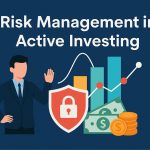
Risk Management in Event-Driven Strategies
- Use tight stop-losses when event probabilities shift
- Size positions conservatively when outcomes are binary
- Hedge with options where applicable (e.g., protective puts)
- Diversify across different types of events and sectors
- Avoid overexposure to “breaking news” hype
Popular Event-Driven Hedge Funds
- Paulson & Co.: Famous for merger arbitrage and betting against subprime
- Third Point (Dan Loeb): Known for activist positions and catalyst investing
- Pershing Square (Bill Ackman): Uses a mix of fundamental and event-driven approaches
These firms often take activist roles, pushing management to unlock value.
How Retail Investors Can Apply It
You don’t need a hedge fund to use event-driven principles. Start small:
- Track earnings dates, mergers, and FDA decisions
- Analyze company press releases and investor calls
- Use options (calls/puts) to limit capital at risk
- Combine with technical levels for entry/exit refinement
Caution: Avoid trading on rumor or hype without a clear plan.
Conclusion: Timing the Unexpected
Event-driven investing is not about predicting the market—it’s about reacting intelligently to specific catalysts that create temporary price imbalances.
Done right, it offers a unique edge: fast-moving opportunities rooted in logic and research, not randomness. But it requires a deep understanding of risk, a flexible mind, and a willingness to act decisively.
If you thrive in complex, high-stakes situations—and enjoy detective-level analysis—this strategy might fit perfectly in your investing playbook.
Related Keywords
- Event-driven investment strategy
- Merger arbitrage explained
- Earnings-based trading strategies
- Spin-off investing opportunities
- Distressed asset investing
- Regulatory event trading
- Macro event investing tactics
- Event-driven hedge funds
- FDA approval trading strategy
- Legal catalyst investing
- Binary event trading risks
- Event-driven investing for beginners
- Post-earnings drift strategy
- Market inefficiency exploitation
- Risk management in event-driven trading
- Event-based options strategies
- Short-term investment catalysts
- Corporate actions and trading
- Special situations investing
- Activist investor event strategy