Description
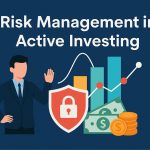
Risk management for active traders is the foundation of long-term survival in fast-paced markets. Unlike passive investors, active traders face frequent decisions, volatility, and the temptation to chase gains—making risk control essential. This article explores the core principles, tools, and practical techniques that help traders protect capital, manage position size, and maintain discipline while navigating unpredictable markets.
Introduction
In trading, profits are exciting—but staying in the game is everything.
Too many traders focus on finding the next big opportunity, ignoring the silent killer: poor risk management. One bad trade, oversized position, or lapse in discipline can wipe out months or years of gains.
Ask any successful trader their top priority, and you’ll hear the same answer: protect your capital.
Risk management isn’t about avoiding losses—it’s about managing them. In this article, we’ll break down the tools, techniques, and mindset active traders need to control risk, survive volatility, and trade with confidence and consistency.
Why Risk Management Matters More in Active Trading
1. Higher Frequency = More Exposure
The more trades you take, the more chances you give risk to catch you off guard. Even with a winning strategy, poor risk control can destroy your edge.
2. Emotional Decisions Are Costly
Active trading often happens in real time, under stress. Emotions—greed, fear, revenge—can override logic unless you have a plan to contain them.
3. One Big Loss Can Undo 10 Wins
If you lose 50%, you need a 100% gain just to break even. Avoiding major drawdowns is more important than hitting home runs.
Core Principles of Trading Risk Management
1. Never Risk More Than You Can Afford to Lose
Obvious, but often ignored. Capital preservation should always come first.
- Define your total risk capital
- Set emotional boundaries—avoid “betting the rent”
2. Use Position Sizing
Proper position sizing determines how many shares/contracts to trade, based on:
- Account size
- Risk tolerance
- Trade setup
Basic Formula:
Position Size = Account Risk per Trade / (Entry Price – Stop Loss)Example:
- Account: $10,000
- Risk per trade: 1% = $100
- Entry: $50, Stop-loss: $48
→ $100 ÷ $2 = 50 shares
3. Set Stop-Loss Orders (and Respect Them)
Stop-losses limit your downside by automatically exiting a trade when a set loss threshold is hit.
Types:
- Hard stop-loss: Automatic, placed in the system
- Mental stop: Manual, requires discipline (risky)
Pro Tip: Set stops based on market structure, not just arbitrary numbers (e.g., below support or ATR-based)
4. Risk Only a Small Percentage Per Trade
Most professional traders risk 0.5% to 2% of their capital per trade. This prevents large drawdowns and gives more chances to recover from losing streaks.
Why it matters:
- 10 losing trades at 2% = only 20% drawdown
- 1 trade at 20% = same drawdown in one move
5. Know Your Risk-to-Reward Ratio (RRR)
Only take trades where the potential upside outweighs the downside.
Target RRR:
- 2:1 or higher is ideal
- For every $100 risked, aim to make $200+
Avoid trades where you’re risking $500 to make $100—even if the setup looks great.
6. Avoid Overleveraging
Margin and leverage can amplify gains—but also magnify losses.
- Use leverage cautiously
- Understand margin calls and liquidation thresholds
- Never let leverage replace good setups
Leverage ≠ skill.
7. Diversify Your Trades
Don’t put all your capital into one position or highly correlated assets. If you’re trading multiple instruments:
- Mix sectors (tech, energy, healthcare)
- Mix asset classes (stocks, forex, crypto)
- Watch correlation—don’t enter 3 trades that rise/fall together
8. Have a Maximum Daily Loss Limit
Decide in advance:
- How much you’re willing to lose in a day (e.g., 3% of account)
- When to stop trading—walk away after that limit is hit
This prevents revenge trading and spiraling losses.
9. Use Volatility-Based Risk Controls
Adjust position size or stop-loss distance based on volatility indicators:
- ATR (Average True Range): Measures recent price movement
- VIX: Measures overall market fear/volatility
Higher volatility = wider stops = smaller positions
10. Backtest and Journal
Backtesting:
- Test your strategy on historical data
- Understand worst-case drawdowns
- Know your strategy’s win/loss and RRR profile
Journaling:
- Track every trade: entry, exit, setup, emotional state
- Review patterns and refine risk approach
Psychological Risk Management
1. Know Your Emotional Triggers
- Do you revenge trade after losses?
- Do you double down to recover?
- Do you get paralyzed after one losing trade?
Awareness helps you pre-plan responses.
2. Avoid FOMO and Chasing
FOMO trades often ignore risk/reward and technical levels. Wait for clean setups.
3. Accept Losses as Part of the Game
Losing is inevitable. Professionals plan for it; amateurs try to avoid it—and usually fail worse.
Risk Management Tools and Platforms
- TradingView: Position size calculator and ATR tools
- Thinkorswim / TOS: Paper trading and stop-order integration
- Edgewonk / Tradervue: Trading journals with analytics
- MetaTrader 4/5: Risk indicators and automated scripts
- R Trading Simulator: Historical backtesting for strategy development
Common Risk Management Mistakes
- No stop-loss
- Sizing positions based on gut feel
- Averaging down in a loser without a plan
- Doubling after losses to “make it back”
- Risking more after a win out of overconfidence
Avoid these, and your capital will thank you.
Advanced Risk Tactics
1. Scaling In and Out
- Enter gradually as confirmation builds
- Exit partially to lock gains and ride runners
2. Trailing Stops
- Adjust your stop-loss upward as the trade goes in your favor
- Protects profits while allowing upside
3. Options as Hedges
- Use puts to hedge equity trades
- Buy volatility protection in uncertain markets
Conclusion: Trade to Survive, Then to Win
Risk management is not optional—it’s your trading airbag. Without it, even the best strategies will eventually fail due to one bad streak, one emotional trade, or one unexpected event.
Mastering risk doesn’t mean avoiding all losses. It means losing intelligently, strategically, and within limits you’ve defined.
Successful traders don’t just think about how much they can make. They obsess over how much they can afford to lose—and still come back tomorrow.
Make that your priority, and the profits will follow.
Related Keywords
- Risk management for active traders
- Trading stop-loss strategy
- Position sizing formula
- Risk to reward ratio
- Leverage and margin trading risks
- Trading psychology and discipline
- Setting trading loss limits
- ATR based stop loss
- Trade journaling tools
- Capital preservation in trading
- How to avoid overtrading
- Risk management in day trading
- Swing trading risk control
- Emotional control in trading
- Forex risk management techniques
- Options trading and risk
- Backtesting trading strategies
- Portfolio risk management
- Trading risk calculator
- Managing losing streaks