
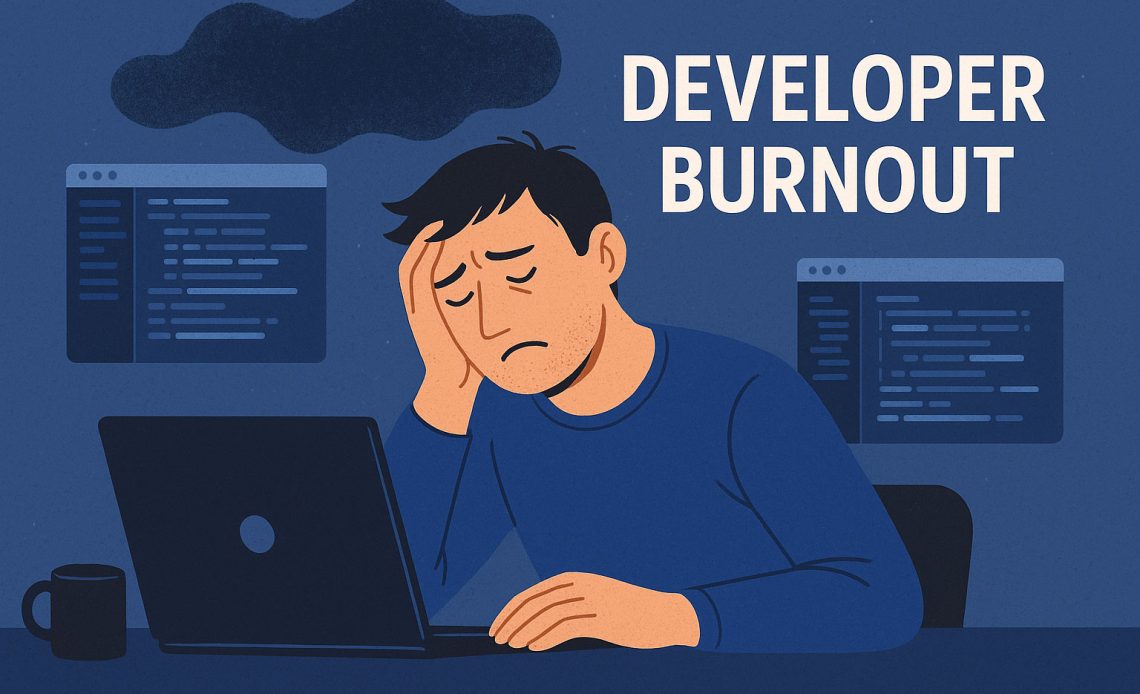
In recent years, the tech industry has experienced an exponential surge in demand, growth, and innovation. But behind the sleek apps, powerful frameworks, and seemingly unstoppable momentum lies an increasingly pervasive issue: developer burnout. Often dismissed as a byproduct of ambition or misconstrued as a temporary slump, burnout is a multifaceted psychological phenomenon with real and lasting consequences—not just for individuals, but for teams and companies alike.
Understanding Developer Burnout
Burnout, as defined by the World Health Organization, is a syndrome resulting from chronic workplace stress that has not been successfully managed. It is characterized by three dimensions: exhaustion, cynicism or mental distance from one’s job, and reduced professional efficacy. In the world of software development, this can manifest in subtle and not-so-subtle ways: procrastination, irritability, emotional detachment from projects, and a creeping sense that no amount of effort will ever be enough.
The life of a developer can be intellectually rewarding, creatively engaging, and even financially lucrative—but it’s also rife with tight deadlines, legacy code, unrealistic stakeholder expectations, technical debt, and the pressure to constantly keep up with rapidly changing technologies. The always-on culture in tech, often glamorized by startup mythology, only exacerbates the problem. Remote work, while offering flexibility, sometimes blurs the line between home and office, making it difficult to truly disconnect.
The Psychology of Burnout
While many associate burnout strictly with overwork, research paints a more complex picture. According to Christina Maslach, a pioneering researcher in burnout studies, it stems not just from working too much, but from working in environments that lack fairness, support, and meaningful recognition.
Developers are particularly vulnerable due to the cognitive intensity of their work. Writing and maintaining code requires sustained mental effort, problem-solving skills, and deep focus. When this effort is persistently underappreciated or when developers find themselves working in silos, without a sense of shared purpose or community, burnout becomes almost inevitable.
Moreover, the imposter syndrome—a psychological pattern in which individuals doubt their skills or accomplishments despite evident success—is rampant among developers, especially junior ones. The constant comparison to more experienced peers, the never-ending flow of new tools to learn, and the fear of not keeping up can be emotionally draining.
Recognizing the Signs
Burnout doesn’t usually arrive all at once. It sneaks in slowly, often masquerading as fatigue or boredom. Here are some common indicators:
- Emotional exhaustion: Feeling drained before the workday even starts.
- Cynicism: A growing detachment from work, co-workers, or even the company mission.
- Irritability: Small inconveniences triggering disproportionate frustration.
- Decline in performance: A drop in productivity, quality of work, or motivation.
- Health issues: Insomnia, headaches, or chronic fatigue without any medical cause.
Being aware of these symptoms is the first step. Often, developers ignore these signs under the guise of being “passionate” or “hard-working.” But ignoring burnout only intensifies its impact.
Data Speaks: What Research Shows
A 2022 survey by GitHub revealed that nearly 58% of developers reported experiencing burnout in the past year. Among open-source contributors, the rate was even higher. Another study from Stack Overflow in 2023 found that developers who regularly work more than 50 hours per week are 2.5 times more likely to report symptoms of burnout compared to those working 40 hours or fewer.
What’s particularly striking is that burnout isn’t exclusive to junior developers. In fact, mid-level and senior engineers—often saddled with greater responsibility, mentoring duties, and managerial pressure—report high levels of emotional exhaustion.
Remote developers, although spared from commuting and office distractions, are not immune. Many report feeling isolated, disconnected, and pressured to be constantly available online, blurring the boundaries between work and life.
Preventing Burnout: Strategies That Work
Burnout isn’t always avoidable, but it can be significantly reduced through conscious effort—by both individuals and organizations.
1. Set Clear Boundaries
If you’re working remotely, define strict working hours and communicate them to your team. Disable work notifications outside those hours. Respect your own time.
2. Use the Right Tools Wisely
Productivity tools like Trello, Notion, or JIRA can help you stay organized, but don’t let them become an endless to-do list that fuels anxiety. Use them to manage, not to micromanage.
3. Take Meaningful Breaks
Not all breaks are created equal. Five minutes scrolling Twitter doesn’t reset your brain. Step outside. Stretch. Breathe. A real break recharges your mind.
4. Nurture Peer Support and Mentorship
Workplaces that encourage collaboration and mentorship foster resilience. Talking to someone who understands your struggles can prevent them from snowballing.
5. Pursue Personal Projects
Not all coding has to be for work. Tinkering with side projects or learning something new on your own terms can rekindle your love for programming.
6. Say No (Professionally)
You don’t have to take on every task or feature request. Practice saying no—or at least, “not right now”—to maintain focus and protect your energy.
7. Work With Purpose
Burnout thrives in the absence of meaning. Remind yourself why you code. Is it to build helpful tools? To solve complex problems? To create beauty through logic? Anchoring your work in purpose builds psychological resilience.
What Employers Can Do
Employers play a critical role in preventing developer burnout. Companies that ignore it risk losing their best talent, along with decreased productivity and morale.
- Foster a culture of psychological safety: Developers should feel safe to admit mistakes or express concerns without fear.
- Recognize accomplishments: A simple “thank you” or public acknowledgment goes a long way.
- Offer flexible schedules: Rigid 9-to-5 structures are outdated in knowledge-based industries.
- Support learning and growth: Encourage exploration and provide time and resources for upskilling.
- Monitor workloads: No one should be carrying the weight of three people.
Companies that invest in the well-being of their developers aren’t just doing the right thing ethically—they’re making a strategic decision for long-term success.
Recovery and Moving Forward
If you’re already feeling the weight of burnout, know this: recovery is possible, but it requires deliberate change. Take time off if needed. Re-evaluate your routines, your relationships with work, and your goals.
Consider speaking to a mental health professional, especially if burnout is accompanied by depression or anxiety. There’s no shame in seeking help—it’s a sign of awareness and strength.
Finally, remember that your career is a marathon, not a sprint. Code is important, but so is your mind, your body, and your joy. You are more than your GitHub commits.
Final Thoughts
Developer burnout is real, prevalent, and deeply human. It doesn’t mean you’re weak. It means you’re operating in a demanding world that often forgets to care for the people who build it.
By recognizing the signs, understanding the causes, and adopting strategies for prevention, we can begin to reshape the culture of development into one that values sustainability over sacrifice.
Let’s not just write better code—let’s also build better lives.
